Sneak Peeks from Highland Fairlings Book One: Ina

Sneak Peeks from Highland Fairlings Book One: Ina

Prologue 1

This is a peek from the prologue of Highland Fairlings Book One:Ina

The Book can be purchsed here

Alternatively, if you go to this page you’ll find the links for purchase from

Amazon.co.uk
Kobo
Amazon.com
Barnes and Noble

Ina- Highland Fairlings – Book one – Availability

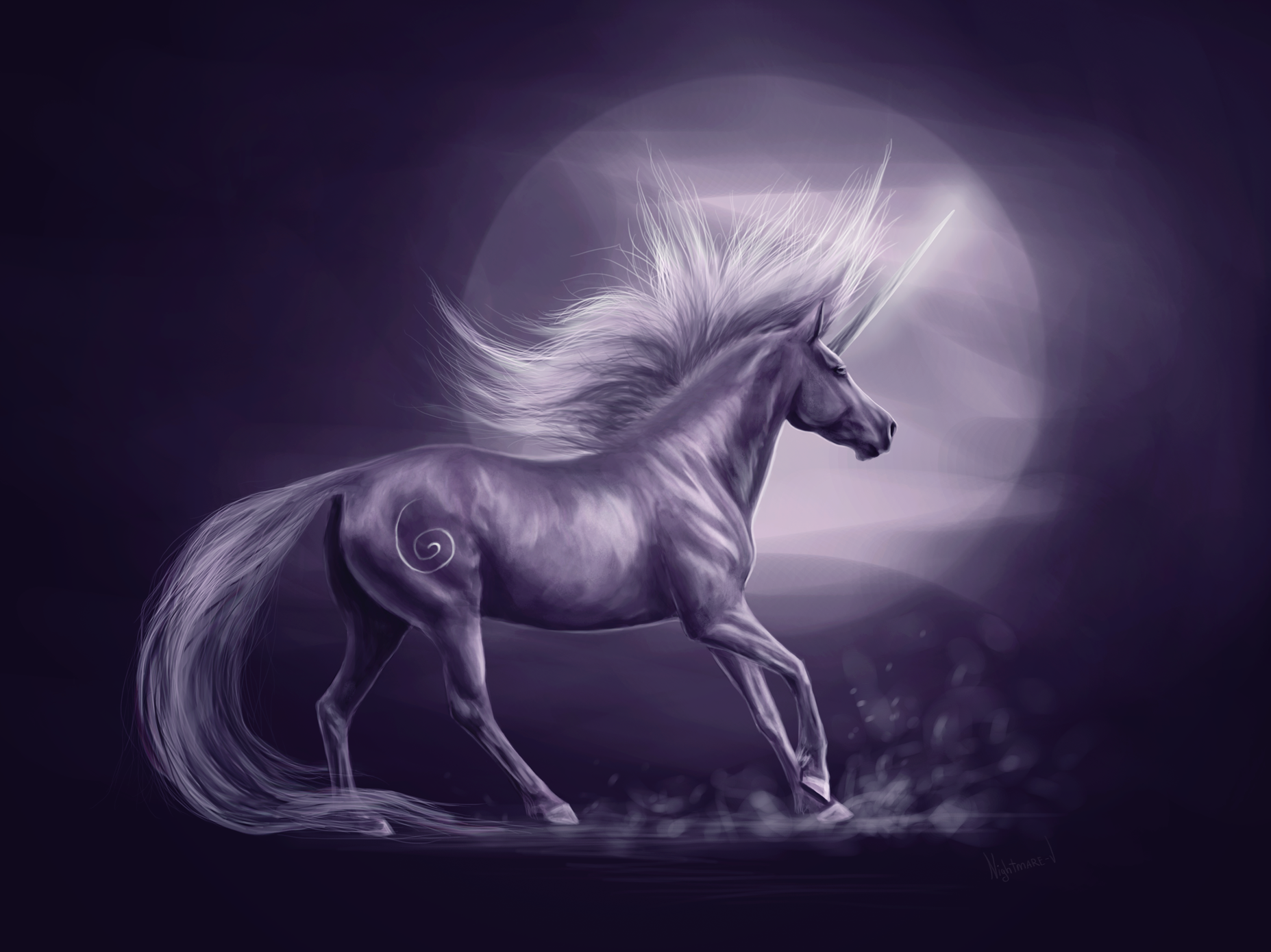
Scottish Unicorn

purple_unicorn_by_nightmare_v-d3gk29k


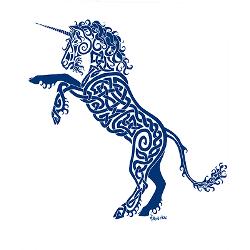
The unicorn is the national animal of Scotland.

celtic_knotwork_unicorn_blue_225_button


A country’s ‘National Animal’ should represent the best, and defining, qualities of the nation who chose it.
Scots have a strong sentimental streak under that practical and reserved exterior, and Scottish culture is rich in superstitions, myths and legends.
So, choosing a heraldic symbol as awe-inspiring as the unicorn makes perfect sense!
The stories and legends surrounding the Unicorn go about as far back in history as the human race.
Unicorns were considered to be very rare and precious, a lunar symbol (ie symbolized the moon), and they were given differing characteristics depending on the culture and country that was describing them. These included:
•Innocence
•Purity
•Boldness
•Pride
•Healing Powers
•Joy
•Intelligence
•Virility
•Nurturing Powers

They grew to become an exotic creature… a magnificent horse with cloven hooves, the tail of a lion, and a perfect spiraled horn in the middle of their foreheads.
In Celtic Mythology the Unicorn of Scotland symbolized innocence and purity, healing powers, joy and even life itself.
It was also seen as a symbol of masculinity and power. Two sides of the same coin as it were, a blend of male virility and female nurturing – perhaps the perfect mix!
It was seen as a wild, freedom-loving creature. Fierce, bold, proud and intelligent. Beautiful and courageous. Dangerous if running free and impossible to capture alive – (except if lured into an ambush by a virgin.)
You might notice that when he’s featured on heraldic symbols, the Unicorn often has chains wrapped around him. This is a ‘nod’ to this medieval belief that he was a dangerous creature.
To a country as bold, fierce and proud as Scotland, one that was fighting for it’s independence from ‘oppressors’ this was the perfect choice as the ‘National Animal’ that would appear on heraldic symbols.It’s not quite clear exactly when the Unicorn first appeared in Scottish heraldry, but one of the earliest examples is seen in the ‘Royal Coat of Arms’ at Rothesay Castle which is believed to have been carved sometime before the 15th century.
Before England and Scotland came under joint rule, Scotland’s Coat of Arms featured two Unicorns supporting a shield.
In 1603 the reigning King of Scotland, King James VI, also succeeded Queen Elizabeth 1st of England and become King James the 1st of England. This was known as the Union of the Crowns.
Although the new country of Great Britain did not legally exist for another century, this union seemed to require a new Royal Coat of Arms, and work began on creating the design you see today which features the Unicorn of Scotland on the right, and the English Lion on the left.
This was supposed to symbolize the accepted union of the two countries. In real life the actual union was less than friendly.

Five Sisters Zoo

Welcome to Five Sisters Zoo

FSZ_logo_10years-web-version_0405

Prices:
Adults : £9.95
Children (3+) £7.95
Concessions : £8.45
Family ticket : £28.00 (2 adults + 2 children, additional children charged at £5.95)

Five Sisters Zoo Park, West Calder, West Lothian, EH55 8PT


629

Conservation

The role of Five Sisters Zoo is to support the welfare of all our animals and to encourage educational and fun days out for all ages – so for a day out with a difference come along and meet the fascinating collection!
Modern day zoos have a responsibility to carry out a number of important roles. Education, Recreation, Research and Conservation are at the forefront of the mission of Five Sisters Zoo.
Conservation is a key element into helping work towards the preservation of animal species, many of which are endangered. Scientists estimate that a third of all animal and plant species on Earth face a high risk of extinction within this century. Five Sisters Zoo is part of the British and Irish Association of Zoos and Aquaria (BIAZA), along with many other UK zoos which all work together to co-ordinate breeding programmes, keep standards high, and raise awareness of conservation issues through educational interpretation and presentations.


483

Research
Five Sisters Zoo is dedicated to encouraging and supporting research that improves captive animal management and benefits the conservation of animals. Research is a primary objective of ours and is a major role within modern zoos.
Five Sisters Zoo encourages students to undertake non-invasive animal-based research, looking at areas including animal behaviour, environmental enrichment and nutrition, as well as visitor studies.
Research is helpful to Five Sisters Zoo giving a valuable insight into enclosure design, diet, social behaviour, etc, as well as making us aware of visitors attitudes and perceptions, thus aiding conservation through improved education.
—————————

620


Five Sisters Zoo’s mission is to:
Encourage conservation of endangered wildlife for both native and non-native species, and create a safe and natural environment for all animals in our collection.
With over 160 different species of mammal, birds and reptiles, daily keeper talks, feeding and handling sessions and a large outdoor play & picnic area, the Five Sisters Zoo is a great day out for everyone all year round!


FSZ%20play%20area%20photo%2013_web
The Brown Bear Café is open every day!
You can even visit the Café if you’re not visiting the Zoo as it is conveniently located just outside the main entrance.
The Brown Bear Café offers a selection of reasonably priced snacks and light lunches including soup, sandwiches, toasties and paninis. Also available are a selection of hot and cold drinks, cakes, biscuits and sweets. Children’s lunch boxes are only £3.50 which include a sandwich, yoghurt, fruit, sweets, small chocolate bar, crisps and a drink.
On cold days the log fire is on and a warm, friendly welcome awaits you!
A large picnic area is situated within the Zoo itself where you will find a number of picnic benches as well as a large grassy area for the children to run about on.
During peak times both the ice cream parlour and snack bar in this area are open. The snack bar serves burgers/hot dogs, rolls on bacon and sausage, chips, and a selection of hot and cold drinks, all reasonably priced.
Additionally there is candy floss and slushies available seasonally
Our gift shop is located next to the ticket desk and stocks a range of cuddly toys, books, jewellery and lots of “pocket money” priced toys.
Within the main Zoo, located next to the picnic area, we have a fantastic outdoor kiddies play area, complete with the pirate ship from the old outdoor castle play area, swings, slides, teacups and more!
For a small charge of £1 a go, we have the additional rides of an animal train and go karts around a race track!
The operation of some rides is weather dependent. If this is a primary reason for your visit, please phone ahead to ask whether the rides will be open: 01506 870000.
There is a large, free car park with plenty of room for coaches and mini buses. You are free to come and go to the car park from the zoo during the day, but please keep your ticket to hand.
Our ticket desk is located just inside the main entrance to the Zoo.
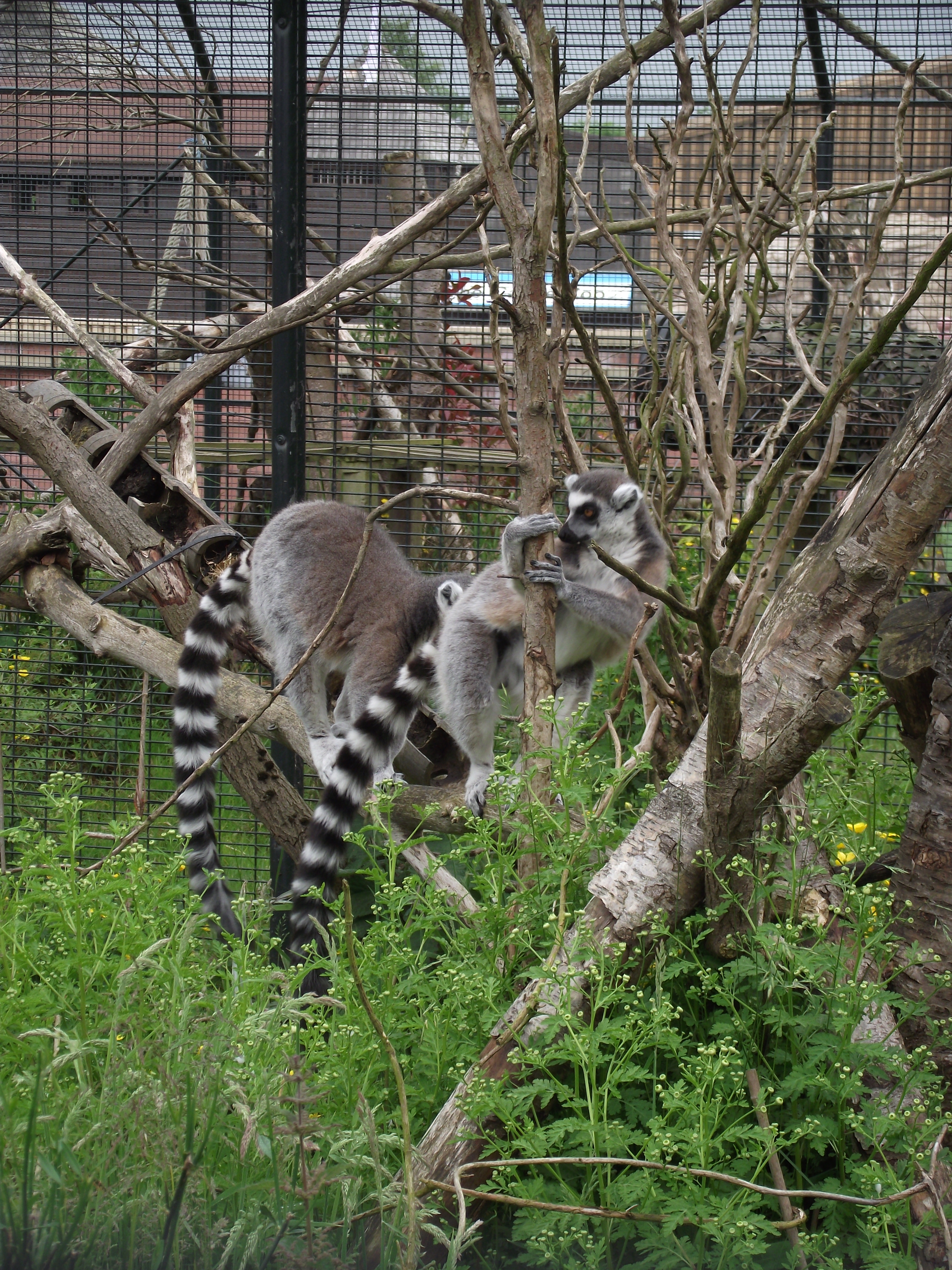
Here you can purchase your Zoo tickets, as well as Handling Session tickets (£2 per person) and Feed the Lemurs tickets (£5 per person).
It is best to purchase these additional tickets as soon as you arrive to ensure you get the times you want! Unfortunately none of these sessions can be booked in advance.
We accept card payments, although there is no cashback facility on site.
——————————-


129

Opened in December 2014 by Angela Constance MSP, the Lost Kingdom is a fantastic temperature-controlled area displaying a host of species, from small tortoises and insects to the large crocodilians and snakes.
This is a superb representation of animal groups from around the world in rainforests and other tropical environments. Entering a walkthrough area, you can experience a tropical climate, and see iguana, tortoise, birds and our leaf cutter ants at their feeding station.

138
These ants have a trail from this walthough area, high up through the Conservation Room and into their enclosure where they build their nest and farm their own food – they don’t eat the leaves, they use them to cultivate food! Look out for them!
Linked with our education booklets which cover topics related to the Curriculum for Excellence, we are proud to offer educational services to young people, and the Lost Kingdom provides a unique learning experience outside of the classroom.
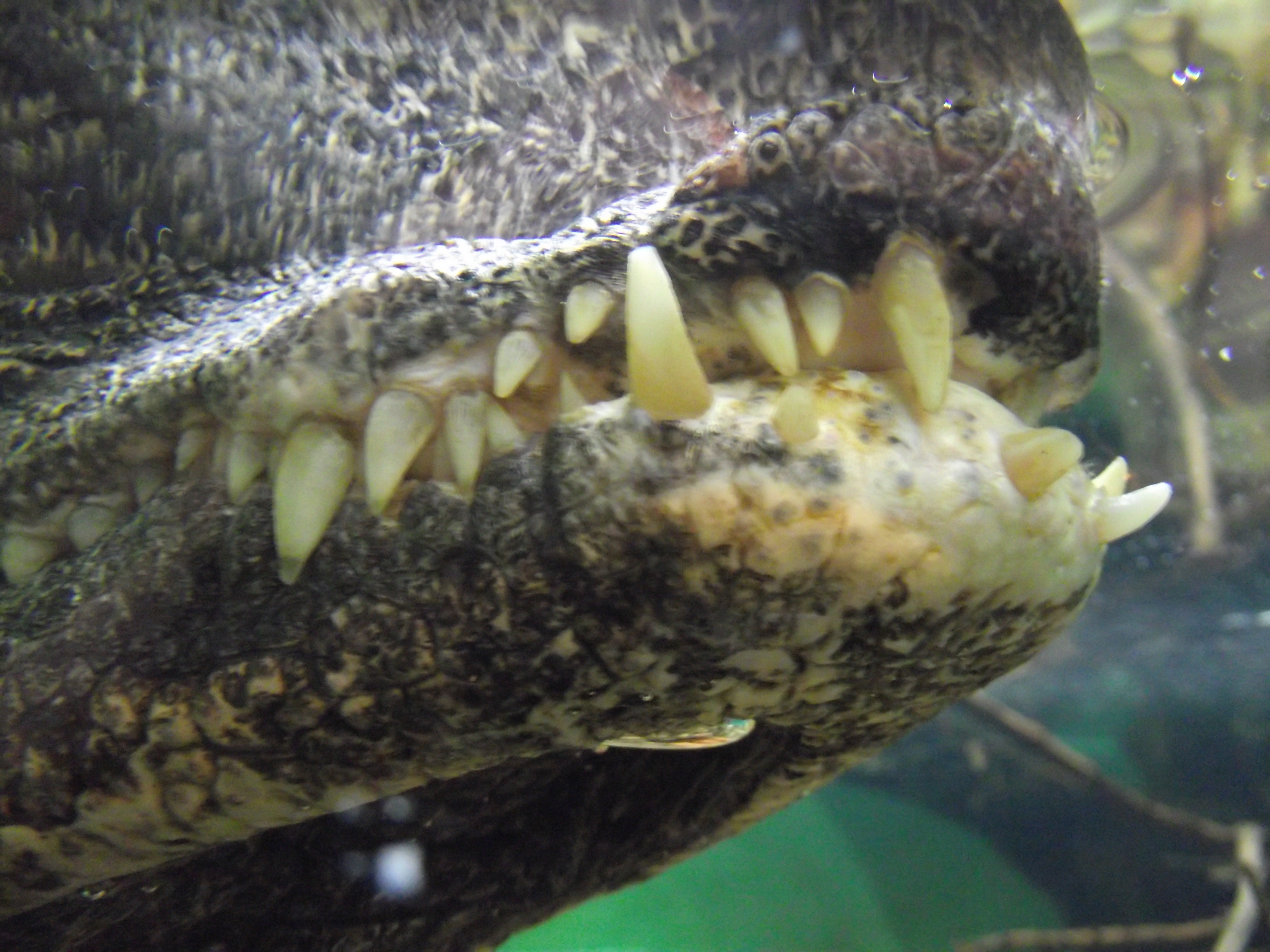
The Lost Kingdom is an incredible new building which followed from the devastating fire in 2013 which completely destroyed the previous tropical house. Amazingly, the crocodiles survived the fire and can now be seen proud in the Lost Kindom near to our other crocodilians, the American alligators and spectacled caiman.

140142
A memorial garden within the zoo is in dedication to the beloved animals that were lost in 2013, but will never be forgotten.

—————-

Enjoy a wander through the Birds of the World Aviary and get up close to a whole host of different birds.
In this walkthrough aviary, you could see the Sacred Ibis, Little Egrets, Crested Cranes, and Weaver Birds. There’s also the Bald Ibis, Glossy Starlings, White-cheeked Turaco, and Lilac Breasted Roller to keep an eye out for too. Plus, the various duck species living here are often seen around the pond, including Cape Teal and White-faced Whistling Ducks.

622
The aviary is a truly inspirational experience for your senses, meeting some of the winged characters of Five Sisters Zoo up close and personal.

619618614127136133130

During your walk around inside you may choose to take a moment to sit and enjoy the birds flying and calling around you, making use of the comfortable wooden seating.
——————-

When we went it was raining but we still had a great time and managed to get some really good pictures.

124120

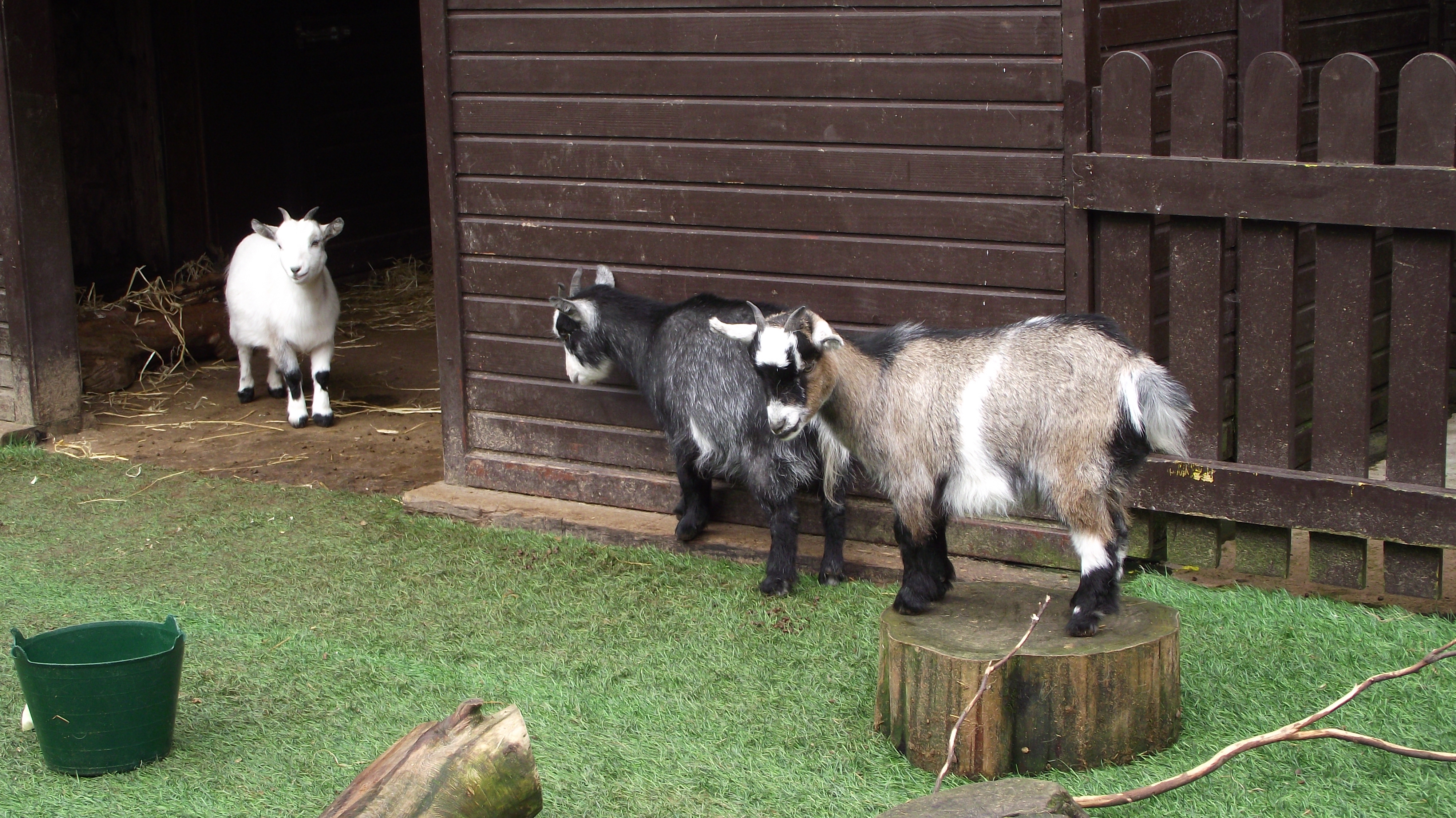
I loved the ‘Castle Garden’. It like a petting zoo and you can get in with almost all of the animals.

122623145482

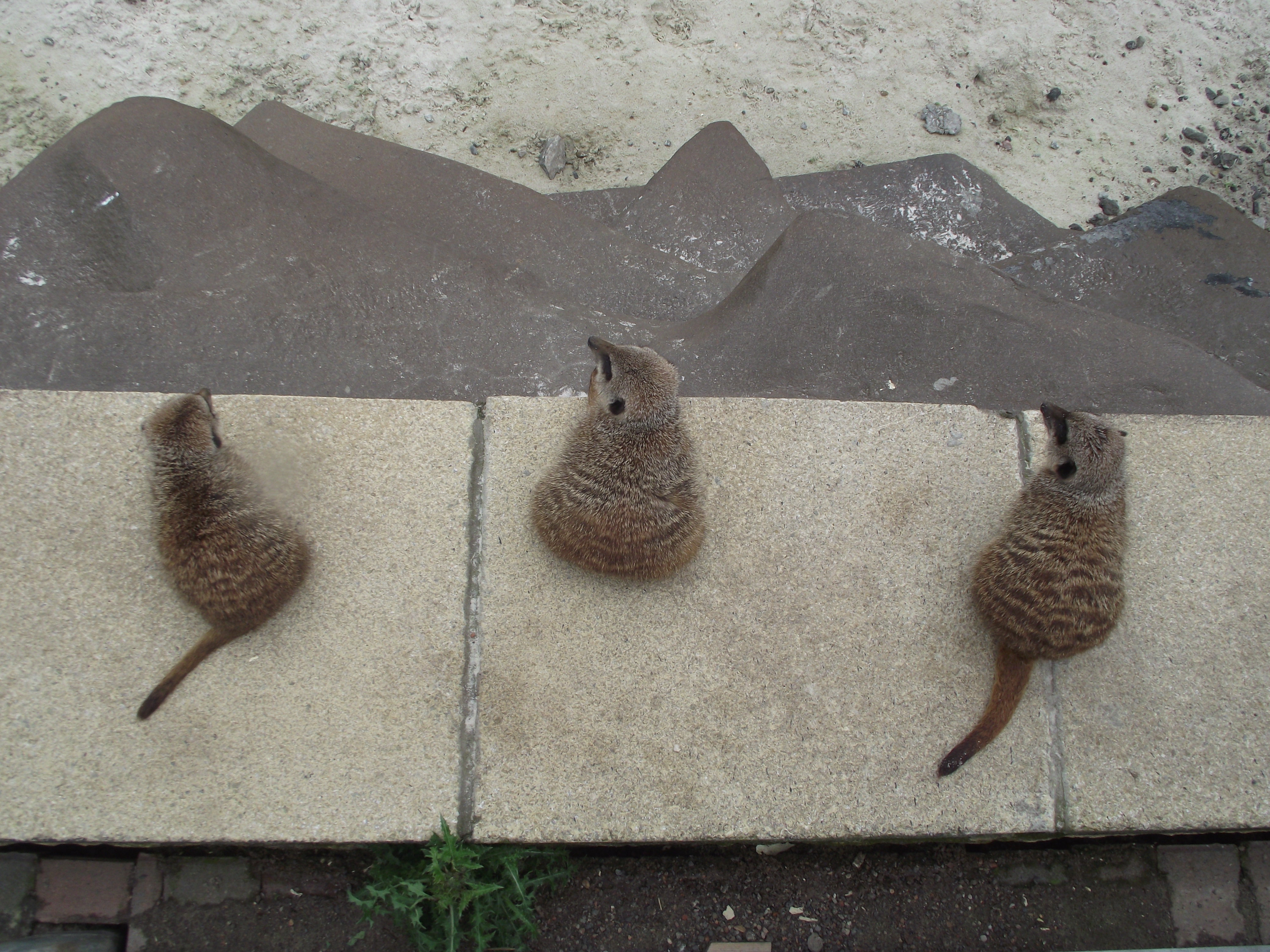
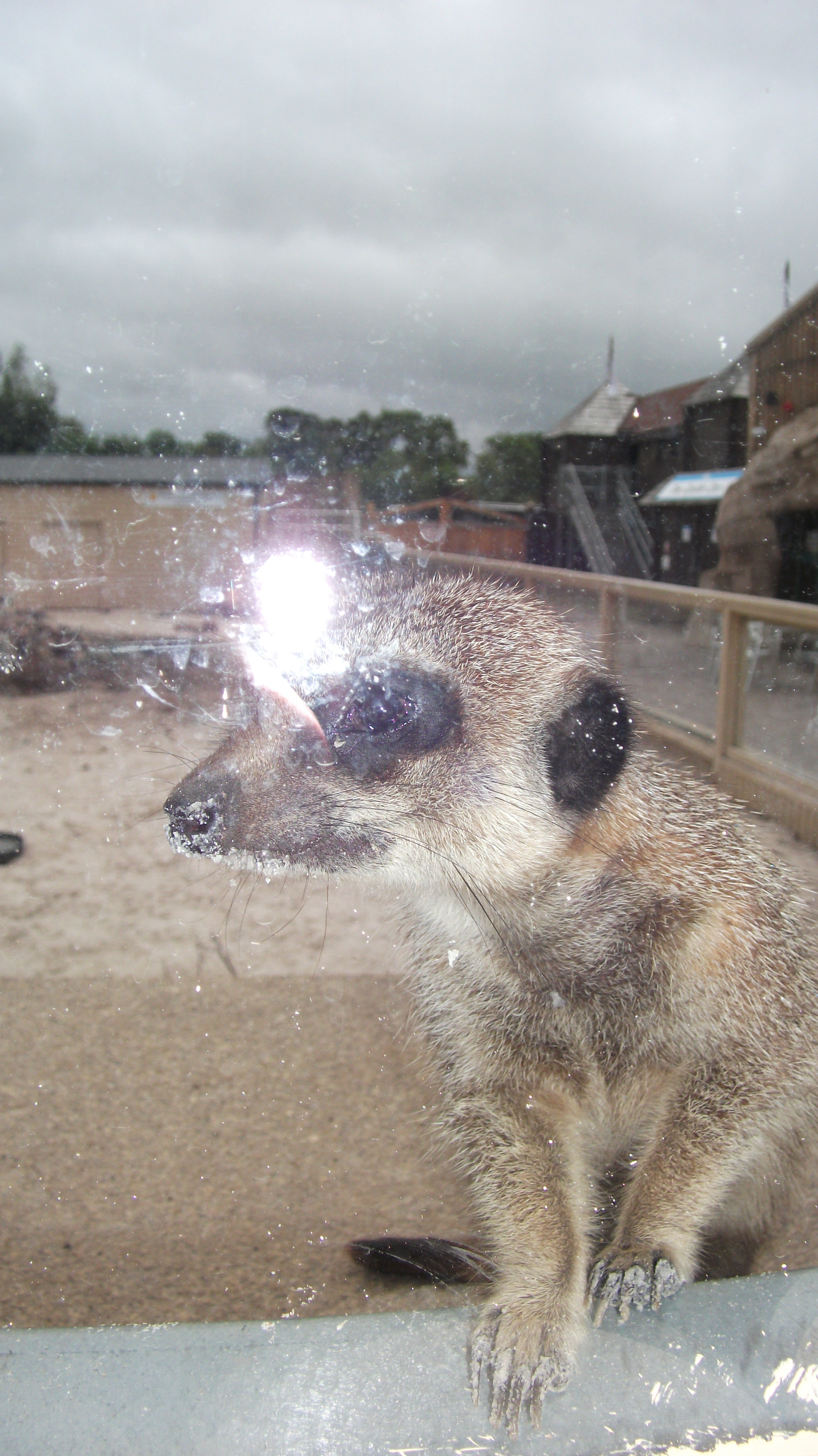
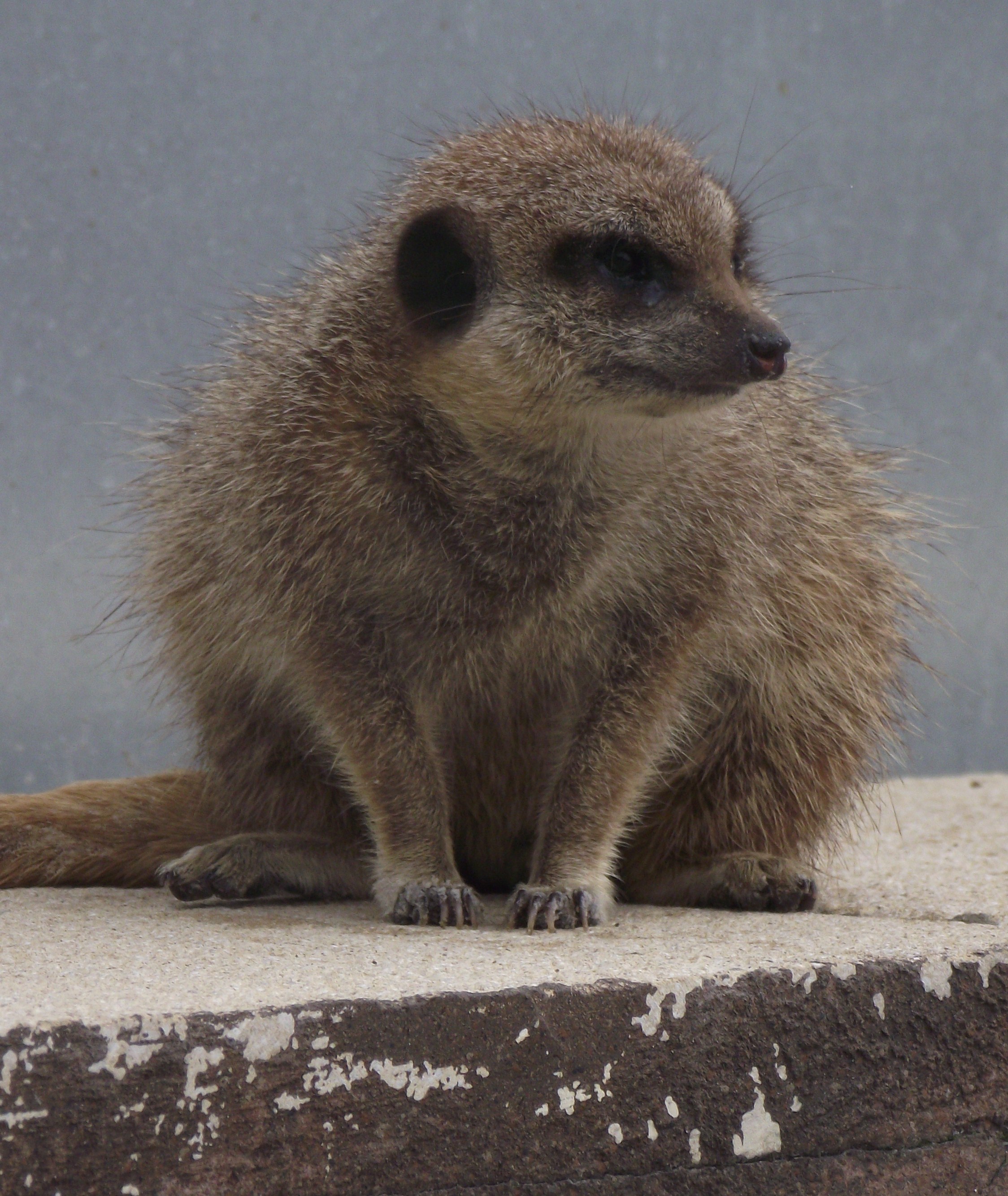
I had a lot of fun at the meerkat enclosure. There are very vocal, friendly and come right up to the glass to see you.

610

They are so much fun.

480475

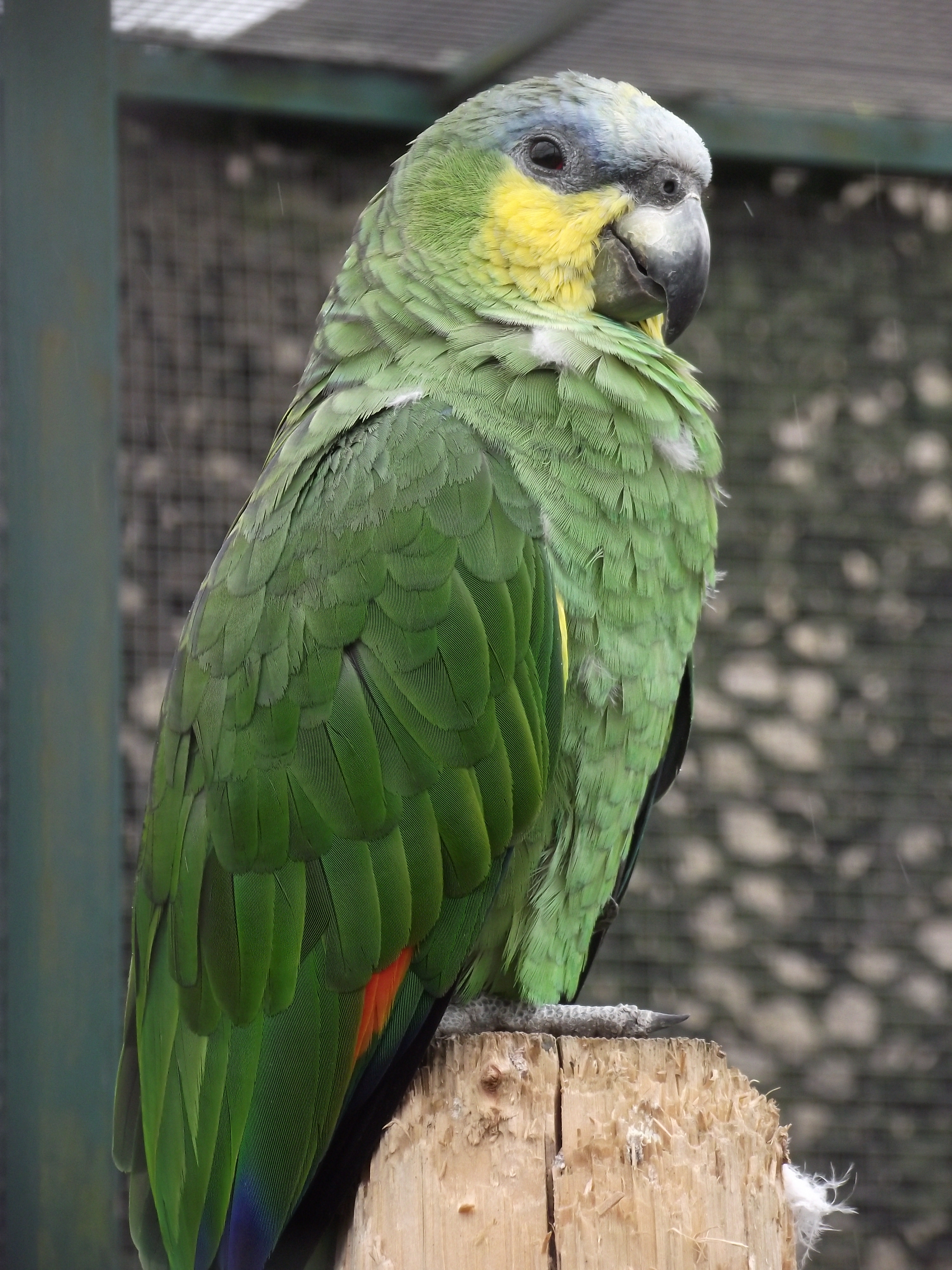
And the birds that share the meerkat enclosure (I don’t recall what specias) where very curious to get close to you.


611
I had a great time and hope to go again.

606119607605603137

Scottish Heather

Heather grows freely and abundantly spreading it’s purple hues across around five million acres of Scottish moorland, glens and hills.  The color of wild Scottish heather usually ranges from lilac to purple.
You can also find white heather growing wild but it’s much less common.
 

thCAK5EOYY

History & Traditional Uses

Heather has been plentiful in Scotland for as long as it’s history has been written (and probably before that too).
The Druids considered it a sacred plant. Even today some people consider it to have almost supernatural properties, sort of a ‘charm’, which is believed to offer protection from harm (especially rape or violent attack).
On a more mundane level it’s used in aromatherapy to relieve a host of different problems. Over thousands of years, the inventive, practical and resourceful Scots have found a whole host of uses for this natural bounty:

Construction

Especially on Scotland’s islands, heather played a major role in building construction. It was used in walls, thatched roofs, ropes, pegs and more. It also appeared in the thatched roofs of mainland houses.

Mattresses

Since ancient times dried Scottish heather was used as a sort of fragrant and bouncy mattress. Evidence of this has been found in a 4000 year old village on the island of Skara Brae in the Orkneys. Historically, heather beds were considered to be just as comfortable as feather beds because the dried stalks and flowers are so light and soft. A bed made from heather had the added extra of original aromatherapy, and the fragrant flower heads were usually placed towards the top of the mattress where the sleeper’s head would lie.

Household tools

Heather stems are tough, strong and resilient and were used in making a whole variety of implements including brooms, farming tools such as hoes or rakes and ropes.

To dye cloth 

Heather was perfect for dying roughspun cloth and wool. Depending on the type of heather used  it could produce muted yellow, gold, bronze, gray, green and purple colors.

As medicine

Heather was believed to have some amazing medicinal properties, and was used by ancient Scots to treat all sorts of conditions and ailments. These included nervousness and anxiety, coughs, consumption (now known as TB), digestive issues, poisoning, blindness, arthritis, rheumatism and more. It was made into a wide variety of different drinks, potions, ointments and salves. Today Heather is still used effectively in aromatherapy products to treat digestive upset, skin problems, coughs and insomnia. Also as an internal cleanser and detoxifier, due to it’s slightly diuretic properties.

And last, but not least, heather is used to create the most deliciously scented soaps, candles, perfumes and more.

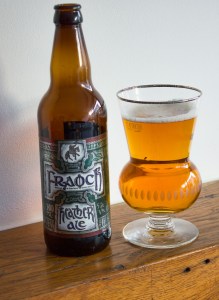
Heather Ale
img_3757fraoch_heather_ale
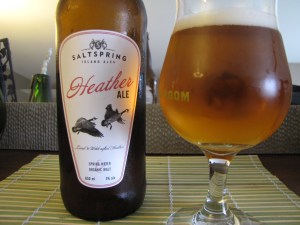
The brewing of Scotland’s Heather Ale goes back thousands of years, and is thought to be one of the oldest types of ale in the world. On the tiny Isle of Rum, off the west coast of Scotland, 3000 year old shards of pottery have been found which contain traces of a fermented drink made from Heather!
It’s believed that the Picts developed a recipe for Ale that relied entirely on the Heather plant for its’ sweetness and fermentation. It was valued so highly that the recipe was kept a secret, with only the King and his first-born son knowing what went into it.
This ‘secret potion’ was then be passed on down through the generations.
This brew was immortalized in the poem entitled ‘HEATHER ALE : A Galloway Legend’ by Robert Louis Stevenson. It tells, in verse, the legend of the Pictish King who sacrificed both his life, and that of his son, to protect the secret recipe.
The first few lines of Robert Louis Stevenson’s poem go like this…….
‘From the bonny bells of heather,
They brew a drink Langsyn
Was sweeter far than honey
Was stronger far than wine.’

Here’s a recipe, not the secret one but a recipe nonetheless.
http://beersmithrecipes.com/viewrecipe/2922/highland-heather-ale


The Last Pictish King & Heather Ale

One of the most well-known legends is centered around a confrontation between Viking raiders and the last surviving Pictish King.
Some accounts put it during the 4th Century AD, but as the Vikings didn’t actually appear on Scottish soil until the end of the 8th Century, this is unlikely….
After their army is defeated, the Pictish King and his son find themselves cornered on a cliff-top, where the Viking chief tortures them in an attempt to obtain the secret recipe for Heather Ale.
The King of the Picts is quick witted, but doubts that his son is strong enough to withstand the torture without giving up the recipe. So he makes a deal with the Viking Chief, saying that if his son is spared the torture and killed quickly, he himself will reveal the secret.
The young prince is then thrown off the cliff and into the sea where he drowns quickly. BUT, the Pictish King doesn’t uphold his end of the arrangement, and although it costs him his life he wins the battle and the recipe is safe.

In some variations of the tale the brave King takes the Viking over the edge of the cliff with him.


Heather Honey

scot-honey-pot
Bees work for months to collect enough pollen to produce this beautiful thick, golden Scottish Heather Honey with the unique and delicate taste of Scottish heather.
As well as being delicious, heather honey is rich in minerals and was traditionally used in medicinal drinks and potions.
I love this place for heather honey and various other uses of the heather.
http://www.heatherhills.co.uk/


White Heather

Legend has it that in the 3rd Century AD, Malvina (daughter of the legendary Scottish poet, Ossian), was betrothed to a Celtic warrior named Oscar. Tragically, Oscar died in battle, and when Malvina heard the news she was heartbroken. The messenger who delivered the bad news, also delivered a spray of purple heather that Oscar had sent as a final token of his undying love for her. It’s said that when Malvinas’ tears fell onto the flowers in her hand, they immediately turned white, and this magical occurrence prompted her to say

‘although it is the symbol of my sorrow, may the white heather bring good fortune to all who find it.’

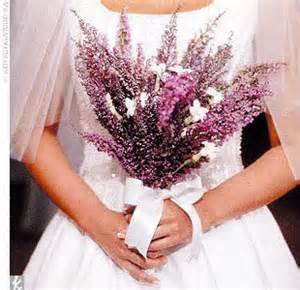
Even today, white Heather is considered to be lucky, especially for brides, and adding a spray of it to your bouquet, on table decorations and so on is popular.
thCA5NK64LIMG_8932

Other myths surrounding the magical properties of white Scottish Heather include:
• The belief that it grows only on ground where blood has not been shed in battle
•Also, more enchantingly, that it grows over the final resting place of Faeries.
•White heather is closely associated with battles and conflict, and is said to bring good luck to whoever wears it.
In 1884 even Queen Victoria commented on this character trait during a visit to the Scottish Highlands. Describing an incident which involved one of her personal servants, she said …..

‘… he espied a piece of white heather, and jumped off to pick it. No Hihglander would pass by it without picking it, for it was considered to bring good luck.’

 

thCA683ZW1


The Crannog centre

http://www.crannog.co.uk/

10703732_773176852754665_2840018967224374151_n10376267_773176779421339_2915624371255893060_n10374086_773176992754651_2201110008233995946_n10696377_773176866087997_6932262438889810098_n10678621_773177179421299_7280099279333493190_n10730870_773176979421319_8205989686063084830_n10704003_773176772754673_7548282240620023136_n10305180_773177252754625_551959519583777200_n

The Crannog centre is possibly still one of my favourite places we’ve been fortunate enough to visit. The history is immense! I’ve always been so interested in how people possibily lived their lives.
So it’s with further joy that another has been found, can’t wait to learn more of the individual details.
http://www.dailymail.co.uk/sciencetech/article-3169264/Wooden-fortress-older-PYRAMIDS-unearthed-housing-estate-Crannog-built-boat-building-community-dates-5-000-years.html

Review – Glynnis Campbell – The Shipwreck

a454b94dd486e4f82ef99dac7033fd27


Review – Glynnis Campbell – The Shipwreck

Outcast by her brothers and stripped of her home and lands for birthing her  “‘bastard viking spawn'”, Avril lives on the coast with her four year old daughter, Kimbery. They live on what they can scavenge from the sea. Theirs is a hard, lonely existence but Avril is coping well and is proud of providing a life for her beloved daughter.
The morning after a violent storm the pair comb the shoreline. Avril hopes to discover part of a broken boat, or useful kelp. Kimbery on the other hand is certain she’ll find mermaids treasure.
Neither expected their find..

“Mama! It’s my da!”

The half dead, wealthy looking, blonde man was undeniable in his viking origins. He was not Kimbery’s father but that mattered not to Avril. All viking men were cut from the same cloth. They all raped and pillaged and invaded.
All she could think of was protecting her daughter from this man and any shipmates who came searching for him.

That’s how Brandr came to return to consciousness tied up in the small home on the shore.

This tale shows that you can’t always judge one man by his countrymen. How Viking and Pict can come together. How they can discover love in the most unlikely of places and put past hurts behind them to create s stronger future.

“As improbable as it seemed, the two of them – captive and captor, mortal enemies – had somehow done much more than find common ground and an uneasy peace. They’d fallen in love.”

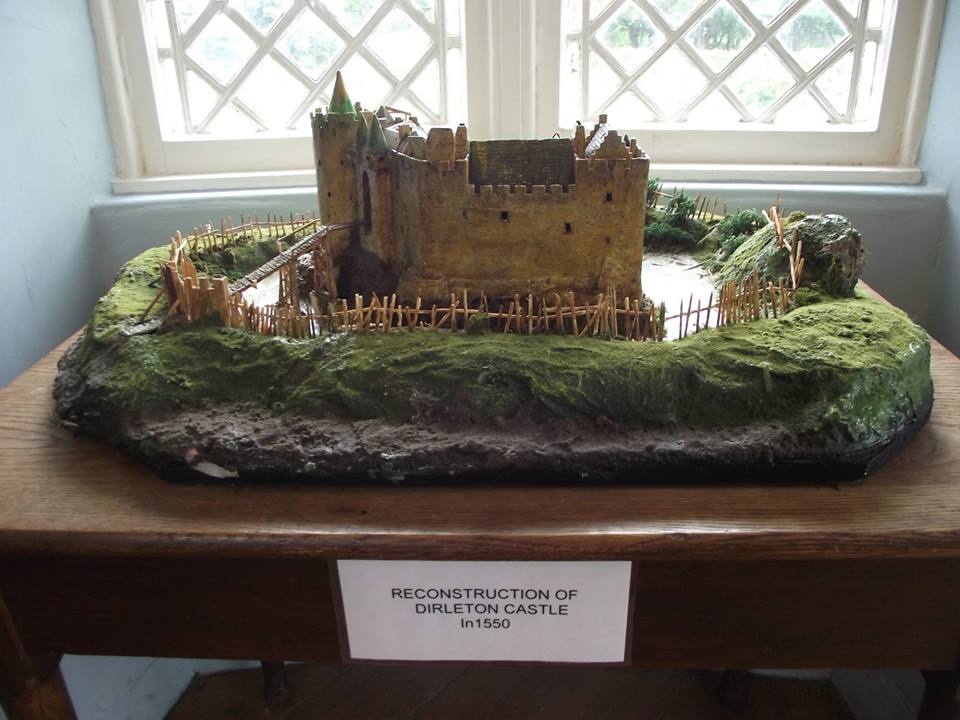
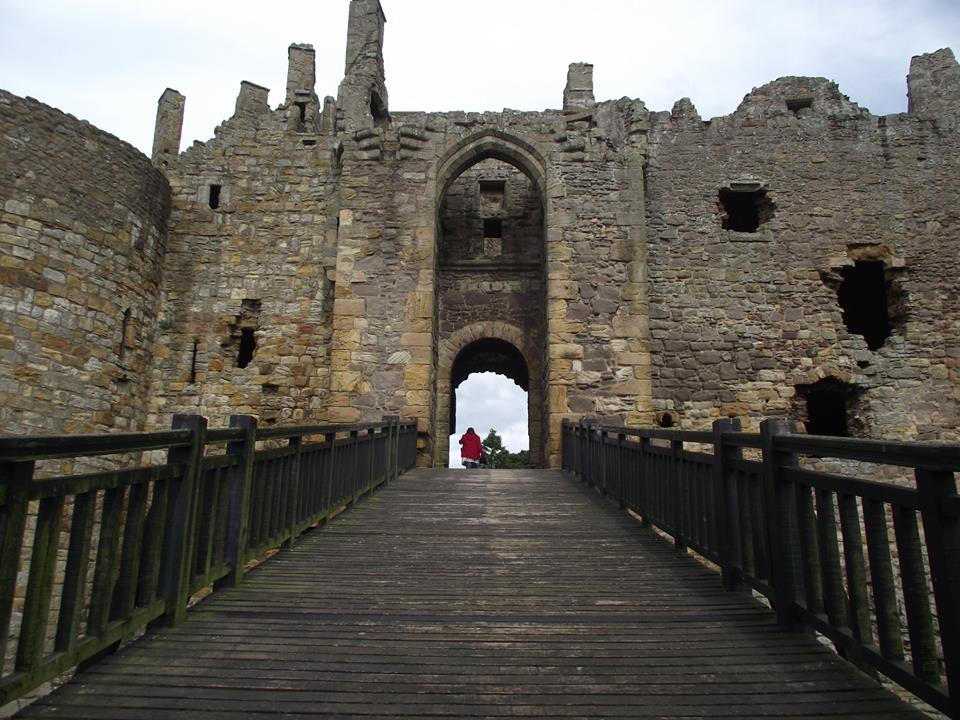
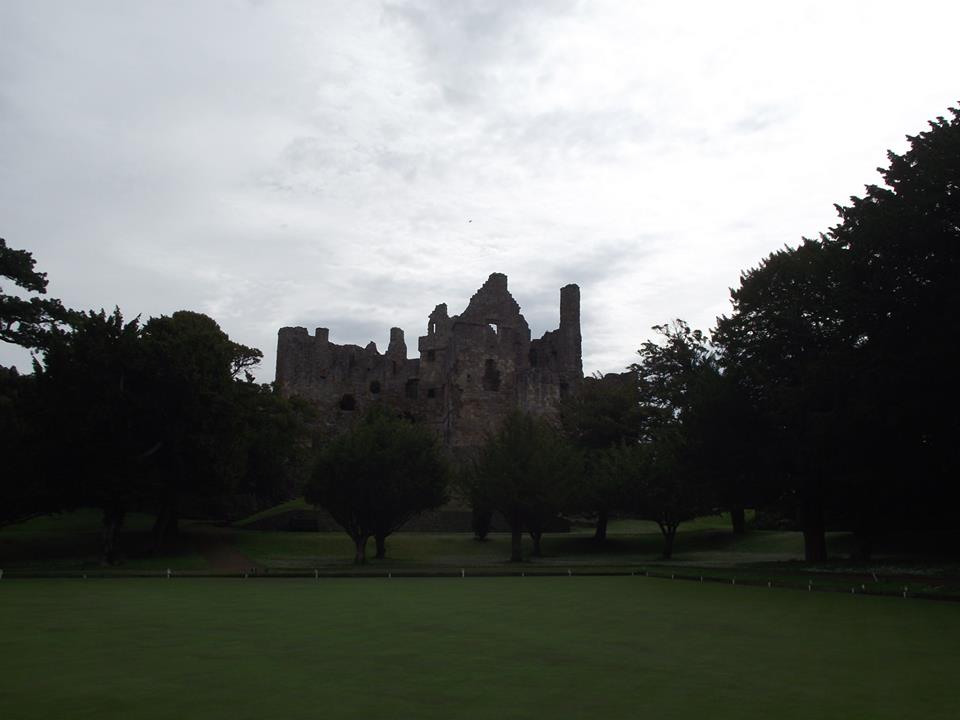
Dirleton Castle

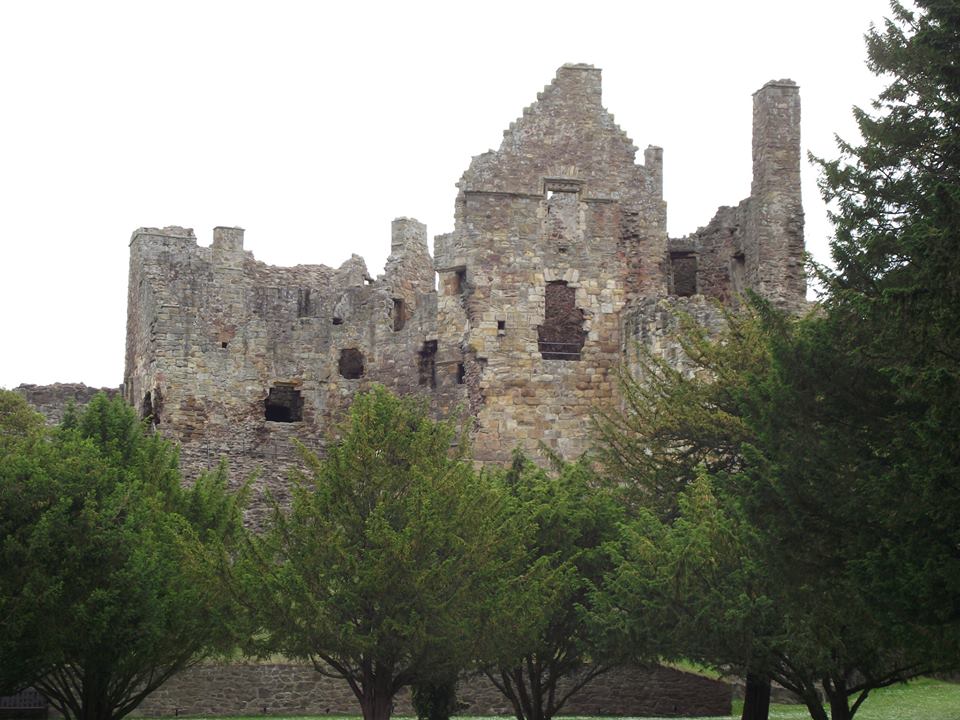
Dirleton Castle has graced the heart of Dirleton since the 13th century. For the first 400 years, it served as the residence of three noble families – the de Vauxes, Haliburtons and Ruthvens. The subsequent downfall of the Ruthvens saw the castle abandoned as a noble residence.


1394177_596521510420201_1830488169_n1465237_596521533753532_1264582173_n

Dirleton Castle

Opening arrangements & costs
Admission Prices: Adult £5.50, Child £3.30, Concession £4.40
1 April – 30 September: Mon -Sun, 9.30am to 5.30pm (last entry 5pm)
1 October – 31 March: Mon – Sun, 10am to 4pm (last entry 3.30pm)

Location
Region
– Edinburgh and the Lothians
Postcode: EH39 5ER
(The castle is located 3m west of North Berwick on the A198.)

http://www.historic-scotland.gov.uk/index/places/propertyresults/propertyoverview.htm?PropID=PL_089&PropName=Dirleton Castle And Garden


535008_596520790420273_1452269725_n1394042_596520760420276_1592557264_n1466111_596519673753718_1266631017_n1451324_596520783753607_1063444555_n1469890_596521183753567_1045576759_n1470419_596521367086882_1316522529_n1462990_596519740420378_1513432602_n1471154_596521287086890_2130181958_n1456575_596519667087052_1340396183_n1461434_596521490420203_177643934_n1452108_596519717087047_2109573937_n1422439_596521430420209_914722242_n


K is for…

ANIMAL%20LETTER%20K

K is for….

Kingdom

Scottish%20medieval%20ethnicity%20map_0

I’m a big history nerd, I admit it! The history of Scotland is close to my heart. I love it.


(sourced)

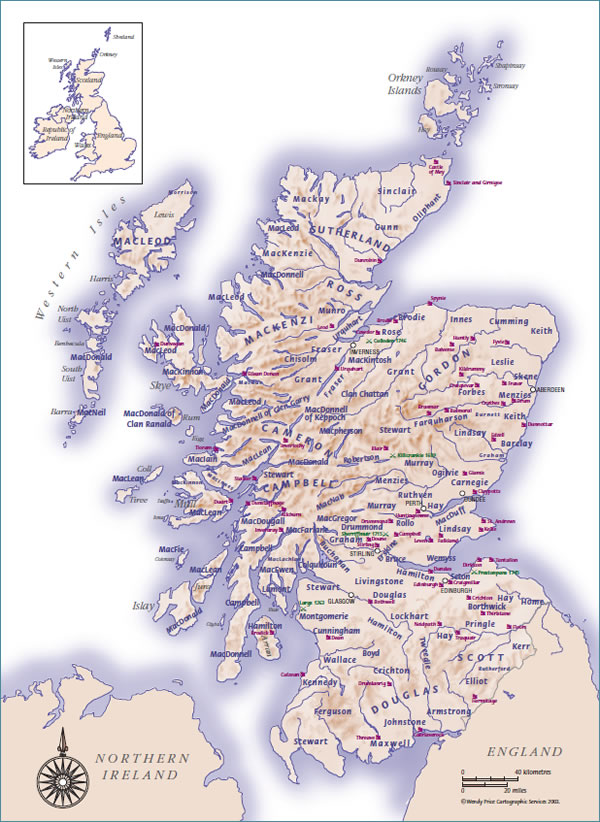
By the end of the seventh century, the four kingdoms of Alban were united in the Christian faith, but not much else.

Even the constant raids of the Norsemen, beginning in the eighth century and culminating in the conquest of Orkney, Shetland, the Western Isles, Caithness and Sutherland, (where, in many areas, the non-Celtic Pictish tongue was replaced by the Scandinavian Norn), could not bring the four kingdoms together in a common cause.

Picts and Scots, with their own separate languages, were still enemies; and the Welsh-speaking Britons of Strathclyde were desperately trying to hold on to their culture in the face of ever-increasing hostility from the Angles of Lothian and Northumbria.

A semblance of unity among the warring societies of the Picts, Scots, Britons and Angles did eventually arrive, however, by the year 843, thanks to the determined efforts of Kenneth MacAlpin, King of the Scots of Dalriada, who claimed the throne of the Picts after he had defeated them in battle. He created his capital at Forteviot, in Pictish territory; moved his religious center to Dunkeld, on the River Tay, in present-day Perthshire, where he transferred the remains of St. Columba from Iona.

According to the Huntingdon Chronicle, MacAlpin “was the first of the Scots to obtain the monarchy of the whole of Albania, which is now called Scotia.” From that time on, the Picts, the tattooed or painted people, have remained a shadowy, poorly documented race. It is a pity that no Pictish literature has survived. All we have are the sculptured stones with their remarkable designs incised that show warriors, huntsmen and churchmen.

In 1018, under MacAlpin’s descendant Malcolm II, the Angles were finally defeated in this northerly part of Britain and Lothian came under Scottish rule. In the same year, the British (Celtic) King of Strathclyde died leaving no heir; his throne went to Malcolm’s grandson Duncan. In 1034, Duncan became King of a much-expanded Scotland that included Pict-land, Scotland, Lothian, Cumbria and Strathclyde. It excluded large tracts in the north, the Shetlands, Orkneys and the Western Isles, which were held by the Scandinavians.

When David died in 1153, the kingdom of Scotland had been extended to include the Modern English counties of Northumberland, Cumberland and Westmoreland, territories that were in future to be held by the kings of Scotland.

At the Treaty of Perth, 1266, the Western Isles and the Isle of Man were ceded to Scotland.

Orkney and Shetland remained under the control of the Norwegians until 1468 when James II of Scotland married Margaret, daughter of Christian I of Denmark. Orkney and Shetland were part of the dowry. Further, in 1470, the Earl of Orkney resigned his territories in exchange for lands in Fife, thus giving James II all the lands and rights in the northern isles.

Scotland was very much a different place than it is today!