
O is for….
OHANA
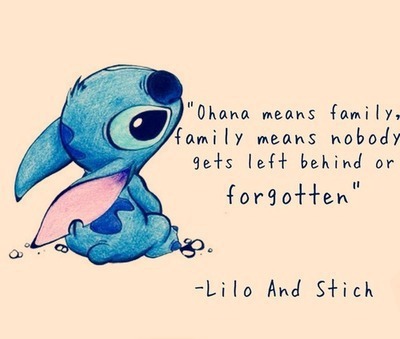
But it also needs to be for all the other nice thoughts that Disney gave us.
I know there are those who see only the negative but sometimes yoou just need to look a little closely at the messages and morals….








O is for….
OHANA
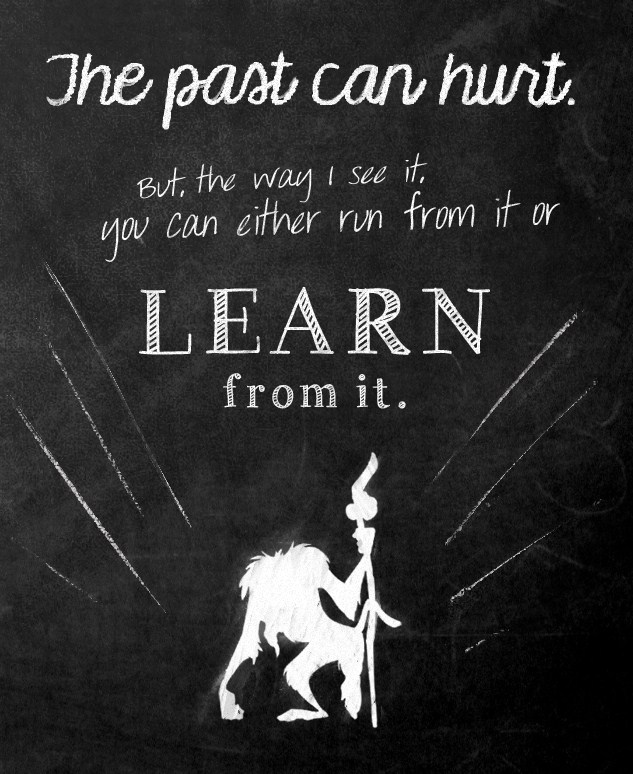
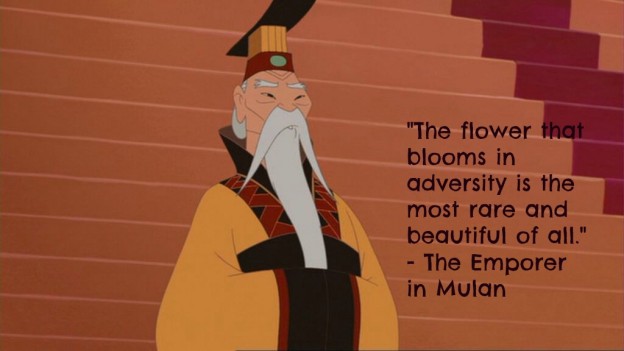
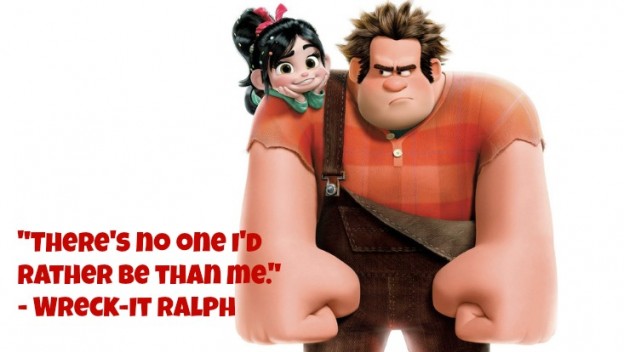
But it also needs to be for all the other nice thoughts that Disney gave us.
I know there are those who see only the negative but sometimes yoou just need to look a little closely at the messages and morals….
N is for……

N is for NCIS!
Or a whole bunch of TV that I do love. Most of which is American and hard to find over here on normal tele.

M is for…
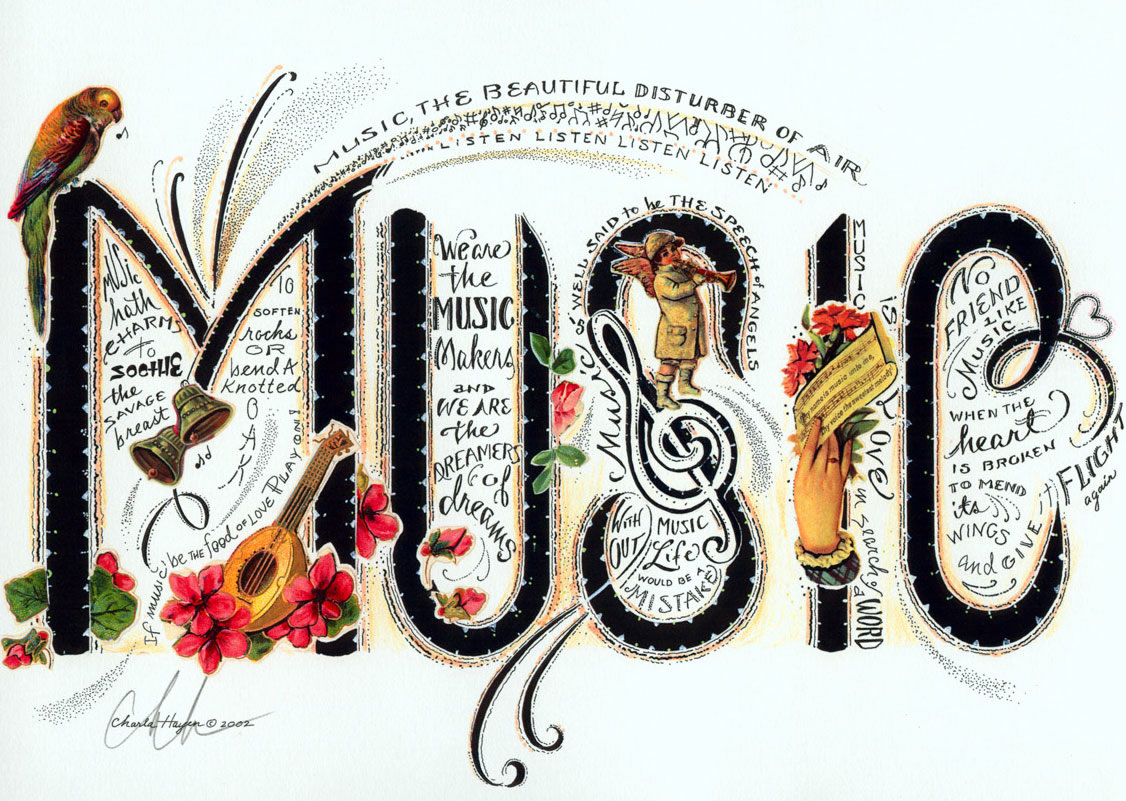
Music!
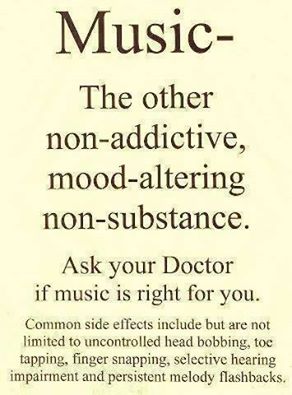
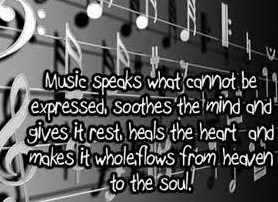
There isn’tany music, any genre, that doesn’t make you think. Every note and melody resonates something within you. All music touches people in various ways, it means something different to each and every one of us.
I love it all!
I don’t have a favourite genre, or a favourite song because I love it all!
Music touches me in ways words can’t explain. Not my words anyway…
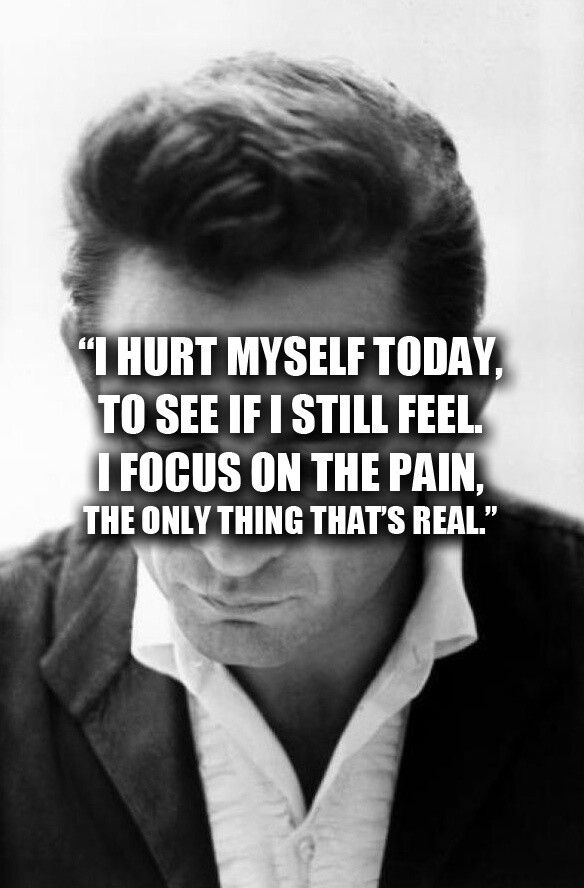


So many talented musicians are out there. I respect them all.






L is for…
Language.

I’m proud of my heritage, proud to be Scottish. But sometimes finding the right english word is a nuisance…..
K is for….
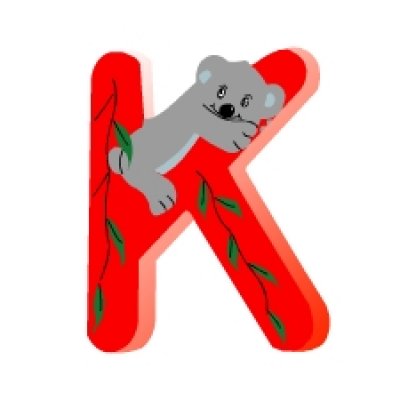
Kingdom

I’m a big history nerd, I admit it! The history of Scotland is close to my heart. I love it.
(sourced)
By the end of the seventh century, the four kingdoms of Alban were united in the Christian faith, but not much else.
Even the constant raids of the Norsemen, beginning in the eighth century and culminating in the conquest of Orkney, Shetland, the Western Isles, Caithness and Sutherland, (where, in many areas, the non-Celtic Pictish tongue was replaced by the Scandinavian Norn), could not bring the four kingdoms together in a common cause.
Picts and Scots, with their own separate languages, were still enemies; and the Welsh-speaking Britons of Strathclyde were desperately trying to hold on to their culture in the face of ever-increasing hostility from the Angles of Lothian and Northumbria.
A semblance of unity among the warring societies of the Picts, Scots, Britons and Angles did eventually arrive, however, by the year 843, thanks to the determined efforts of Kenneth MacAlpin, King of the Scots of Dalriada, who claimed the throne of the Picts after he had defeated them in battle. He created his capital at Forteviot, in Pictish territory; moved his religious center to Dunkeld, on the River Tay, in present-day Perthshire, where he transferred the remains of St. Columba from Iona.
According to the Huntingdon Chronicle, MacAlpin “was the first of the Scots to obtain the monarchy of the whole of Albania, which is now called Scotia.” From that time on, the Picts, the tattooed or painted people, have remained a shadowy, poorly documented race. It is a pity that no Pictish literature has survived. All we have are the sculptured stones with their remarkable designs incised that show warriors, huntsmen and churchmen.
In 1018, under MacAlpin’s descendant Malcolm II, the Angles were finally defeated in this northerly part of Britain and Lothian came under Scottish rule. In the same year, the British (Celtic) King of Strathclyde died leaving no heir; his throne went to Malcolm’s grandson Duncan. In 1034, Duncan became King of a much-expanded Scotland that included Pict-land, Scotland, Lothian, Cumbria and Strathclyde. It excluded large tracts in the north, the Shetlands, Orkneys and the Western Isles, which were held by the Scandinavians.
When David died in 1153, the kingdom of Scotland had been extended to include the Modern English counties of Northumberland, Cumberland and Westmoreland, territories that were in future to be held by the kings of Scotland.
At the Treaty of Perth, 1266, the Western Isles and the Isle of Man were ceded to Scotland.
Orkney and Shetland remained under the control of the Norwegians until 1468 when James II of Scotland married Margaret, daughter of Christian I of Denmark. Orkney and Shetland were part of the dowry. Further, in 1470, the Earl of Orkney resigned his territories in exchange for lands in Fife, thus giving James II all the lands and rights in the northern isles.
Scotland was very much a different place than it is today!

J is for…
Jie or Jay
The endless debate!
Where I come from the letter is pronounced Jie. Jay is not a letter but a name. It’s a Scottish thing!

I is for…
Ina
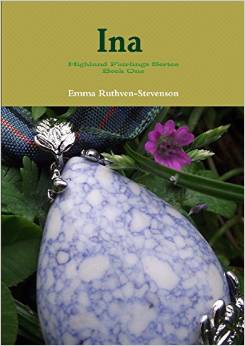
It really had to be, right?

H is for
Husband

Mine is called Mark. He is wonderful, helps proof read, type, suplies an endless stream of pens and paper.
In Scotland he carried my little dog to the top of a castle so she wouldn’t whine for me at the bottom.

He also tested and then described the feelings of every device/machine at the Crannog aswell as making sure I had brilliant, detailed photos.


G is for….
Google

Ok, so it’s not google as such but all search engines! I’ve been able to research so much using just the internet. Search engines have found everything from naming sites to proffesors who have helped with certain aspects of research.

F is for..

I hear you as you go, what? But it’s true.

Facebook has been a miracle for me. It allows me to communicate with fans. And it also set me up with many novelist friends. I wouldn’t have had the guts to push ahead without the wonderful people I’ve met and became friends with.
 Emma Ruthven-Stevenson